
Hundreds of sustainable businesses

Find small sustainable brands and stores near you, both online and offline!

Support your local sustainable gems!

Explore the map below to find local brands and stores that prioritize the health of our planet. Discover new options that align with your values!

We are now in:
πŸ—½New York
πŸ’‚β€β™‚οΈLondon

Latest activity & recommendations

Recommend a store
  • ZUKY - tough on dirt, gentle on the skin, easy on the Mother Earth

    Hello all, I would strongly recommend Zuky, a new company dedicated to providing sustainable and high-quality personal care products for travelers and outdoor enthusiasts. The flagship products, Jetsetter and Pathfinder, are designed to enhance the outdoor experience with convenience and sustainability in mind. Jetsetter is a multi-functional body and hair wash powder, perfect for travelers on the go, while Pathfinder is an all-in-one wash powder suitable for various outdoor activities. Packed in compact and eco-friendly bamboo tubes, the products offer convenience without compromising on quality. Both products are packed in eco-friendly bamboo tubes, making them lightweight, convenient, and gentle on the environment. With a focus on plant-based and 100% biodegradable ingredients, Pathfinder and Jetsetter are tough on dirt, gentle on skin, and easy on Mother Earth.
  • Quinn

    New brand: Quinn Clark Handmade- sustainable home decor + zero waste greeting cards

    Wanted to introduce my small sustainable decor brand! Quinn Clark Handmade specializes in one of a kind home decor made entirely from scrap fabric and thrifted materials. We also have a line of zero waste greeting cards for all occasions. Currently just online shipping in the USA, but please reach out if you live elsewhere and we can work something out! Grateful to be among other intentional consumers, dreamers and creative problem solvers. We're offering 10% off purchases of $25+ to BeOne members πŸ˜„
Choose to buy more sustainably

Our brands love shoppers like you

Discover and fall in love with new, diverse brands. Get exclusive deals on products that support small businesses.
🀍

OUR FAVORITE ECO SWAP

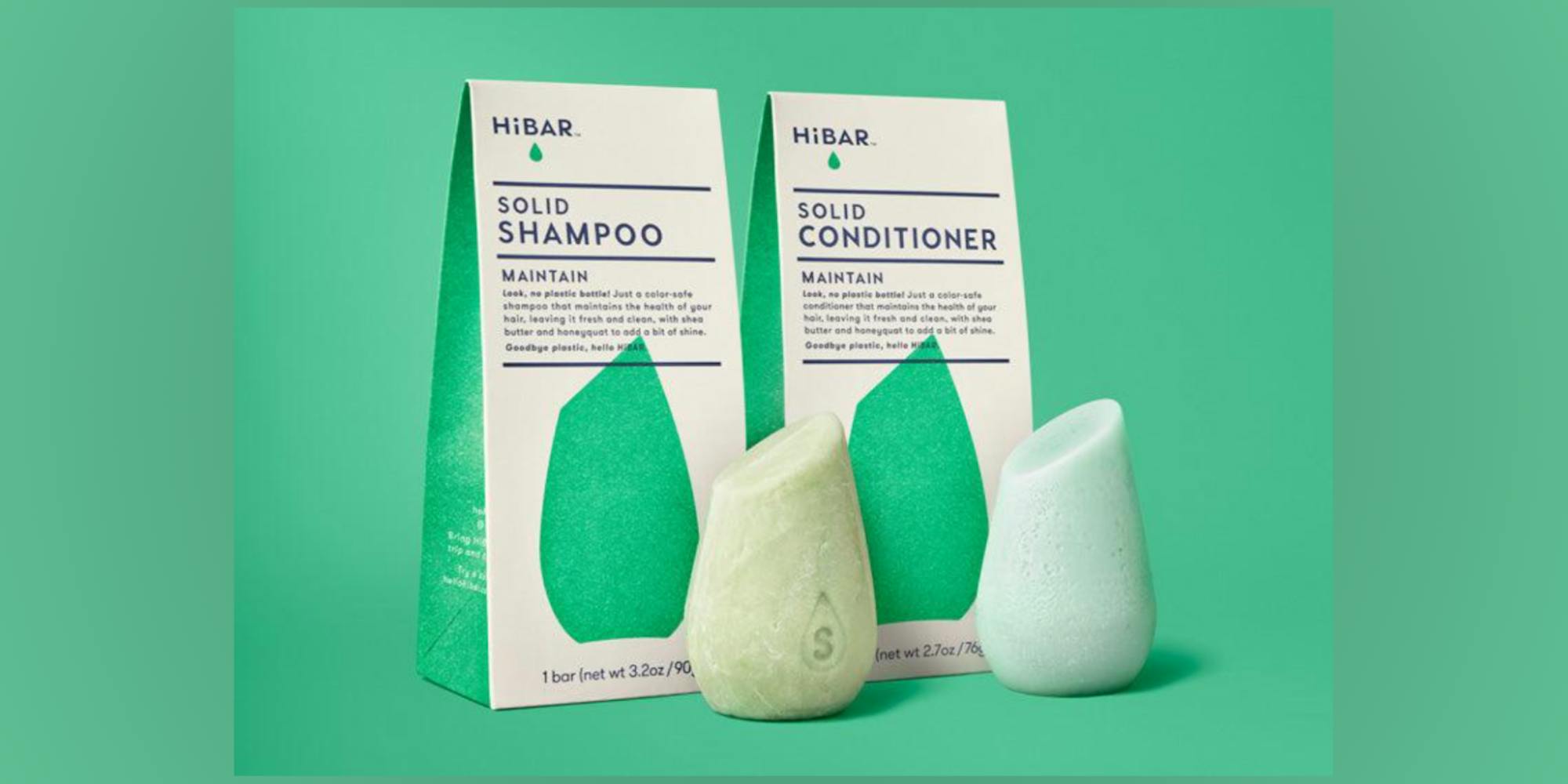
We are huge fans of HiBAR and their salon-grade, non-plastic hair care and deodorant products. We had the opportunity to speak with the founder, Nora, and she is truly making waves with this company.
Public founder profiles

Connect and say hello to our eco-entrepreneurs who are here to make a positive impact. They would love to hear from you!

Join topics

Dive into our green shopping resources

Get to know the small business owners who are passionate about their craft and read about how to shop more sustainably or take a quiz to assess your own sustainability!

From Past to Present: How Shampoo and Body Bars are Making a Comeback by HiBAR

In today's world, it's hard to imagine life without shampoo. From its humble beginnings to the current liquid format in plastic bottles, shampoo has become an essential part of our daily hygiene routine. However, the widespread use of plastic bottles has had a detrimental impact on the environment, adding 300 million tons of waste yearly. Fortunately, there are dedicated entrepreneurs seeking to revive the use of shampoo bars and champion a future where plastic-free beauty care is the standard. Shampoo Bars: The Original Standard Shampoo bars have a rich and ancient history that predates the widespread use of plastic bottles. These natural bars were relied upon by ancient civilizations for their hair care needs. It was the early colonial traders in India who stumbled upon the practice of hair and body massage called "champo", which they later introduced to Europe. This introduction of "champo" to Europe gave rise to the word "shampoo" that we use today. Initially, shampooing did not involve washing the hair as we do today. Instead, it was a form of scalp massage using fragrant oils. This practice was brought to European societies by colonial traders who returned with the custom of cleansing the hair and body with oils and utilizing the art of massage. So, the concept of using solid bars without packaging for hair cleaning is not new; it has been around for centuries, long before the term "zero waste" emerged. Plastic Bottles: The Rise of Synthetic Chemical Ingredients Procter & Gamble revolutionized hair care by introducing "Drene", the first modern synthetic (no soap) shampoo in the 1930s. This marked a shift towards liquid shampoos, which were promoted as easier and more convenient to use. With the rise of the plastic industry during the early 20th century, the beauty industry also shifted towards plastic bottles for packaging shampoo. In the 20th century shampoo bars lost popularity as the market flooded with liquid options, changing the hair care landscape. While these bottles unarguably offered convenience and portability, these products contribute to significant waste generation, with both consumers and businesses failing to consider the long-term impact of using disposable container bottles. On average, a person uses 800 plastic shampoo bottles throughout their lifetime. Only 10% of all plastic is recycledβ€”the rest ends up in landfills or the ocean where it will sit for 500 years and eventually break down into microplastics. Small Companies Leading the plastic-Free Movement The negative impact of plastic waste paved the way for a global movement to reduce plastic consumption and promote a plastic-free lifestyle. This movement, often referred to as the zero waste movement, has gained significant traction in recent years. As consumers become more aware of the environmental consequences of plastic, they are demanding sustainable alternatives in every aspect of their lives, including beauty products. The rise of the waterless beauty trend has played a role in bringing natural shampoo bars back into the spotlight. Waterless beauty, encompasses a new category of personal care and beauty products that are formulated without water as a primary filler or binding ingredient. In the quest for sustainable beauty products, small companies have emerged as leaders in the industry. These companies are driving change by reintroducing shampoo bars as an alternative to plastic bottles. By offering plastic-free, zero-waste options, they are reshaping the beauty industry and challenging the dominant plastic-dependent model. Introducing Hibar: A Game-Changer in the Beauty Industry One company at the forefront of the plastic-free beauty movement is HiBAR. HiBAR has taken the initiative to bring back salon-quality shampoo minus the water and plastic bottles. Unlike traditional bottled shampoos that contain just 20% active ingredients and 80% water as a filler, HiBAR offers concentrated hair care products that eliminate the need for excessive water and plastic bottles. By applying the product directly to hair, HiBAR's shampoo easily penetrates the hair shaft, leaving hair shiny, soft, and manageable. Plus, one HiBAR can replace at least two plastic bottles of shampoo, making it both a sustainable and cost-effective choice. Today, HiBAR is leading the way in the plastic-free movement, expanding their range beyond shampoo to include bar conditioners, face wash bars, and deodorants. Since 2018, their efforts have resulted in eliminating nearly 5 million plastic bottles from circulation, saving over 800,000 gallons of water in the process. This remarkable progress exemplifies the significant impact that small companies can have in transforming everyday products to be more sustainable. HiBAR's ultimate goal is to provide consumers with 100% plastic-free bathrooms, but they recognize there is still much work to be done in educating the people about the benefits of ditching liquid shampoos and understanding the immense environmental burden they pose. The Future of Shampoo and Beauty Products As the zero waste movement gains momentum and consumers become more conscious of their choices, the adoption of shampoo bars and other plastic-free beauty products is likely to increase. The beauty industry has a significant role to play in reducing plastic pollution and embracing sustainable alternatives. By supporting companies like HiBAR and choosing eco-friendly products, individuals can contribute to a cleaner and healthier planet. 🌐 Visit www.hellohibar.com to learn more πŸ’Ÿ Say hi to the team Stacy
04/02/2024

Your Top Six Eco-Friendly New Year's Resolutions 2024

New Year Resolutions that aren't just about how to lose weight: How you can make positive changes for yourself – and the planet 🌎 Welcome to 2024! While it feels like the future already, some things remain the same. Things like the importance of making sustainable living not just a trend but a necessity. As we step into the future and enjoy our flying cars and robot sidekicks, let's remember to make choices that benefit both ourselves and the planet. Here are some great eco-friendly New Year's resolutions you can make to help create a greener future. Bring Your Own Sustainable Solution In 2024, let's say goodbye for good to single-use items. Shockingly, Americans throw away over 60 million plastic water bottles annually, 80% of which end up in landfills. One small change that can have a big impact is using reusable containers. Beyond reusable water bottles, try reusable coffee cups, utensils, and food containers. Doing so can significantly reduce your environmental impact! Try a Plant-Based Lifestyle Reducing your meat and dairy consumption can have a big effect on your carbon footprint. Try incorporating more fruit, veggies, and plant-based proteins into your diet this year. Not only is it great for the environment, but it can be great for your health, too. In fact, going vegetarian just one day per week can save nearly 100 kgs of CO2 per year. Shop Locally and Thoughtfully Fast fashion is one of the biggest culprits when it comes to generating waste. Instead of buying cheap and disposable clothing, make a conscious effort to support businesses that prioritize sustainability and ethical practices. One way to slow down your shopping is imposing a 30-day countdown between seeing something you want and buying it. You’ll keep impulse purchases down to a minimum, saving money while cutting down on needless consumption of things that will likely end up as waste. Reduce Technological Waste In the age of all things digital, we sometimes forget that our tech devices consume natural resources, too. Make sure to reduce your digital waste with habits like recycling old devices responsibly, using rechargeable batteries (since it takes about 50 times more energy to produce a normal battery than it will deliver in its lifetime), and choosing energy-efficient appliances. Commit to Eco-Friendly Travel In the fight against climate change, traveling sustainably is a crucial tactic. In 2024, explore eco-friendly travel options like electric vehicles, public transport, or cycling. For times when you need to fly, you can offset your travel emissions by supporting various environmental initiatives and choosing accommodations that prioritize sustainability. Keep Your Cool at Home Adopt a minimalist, eco-friendly approach to living in your home for 2024. Besides donating, decluttering, and recycling items you no longer need, focus on taking a sustainable approach to home heating. Turning down your thermostat just one degree can save up to 340 kg of pollution. That's just a small changeβ€”but if you're in the mood for a bigger project, consider renovating your home to Passivhaus energy standards, which are designed to produce net-zero buildings. Remember, each small change contributes to a brighter future for all of us. Happy New Year, and let's make 2024 our greenest year yet!
02/22/2024

Sustainability Trends That Will Shape 2024

Sustainability Goals 2024: Which Trends Are Taking Top Rank 2024 is just around the corner, and while 2023 served us some pretty impressive sustainability trends, the upcoming year is taking green initiatives up a notch. Here's what's trending on the sustainability radar for the next 12 months. Renewable Energy: Sun and Wind Doing Their Thing 🌞 Renewables are having a moment. More people are switching to solar at home, and it's not just for the eco-elite anymore. Wind energy? It's making some serious moves, too. In 2022, renewable sources cranked out 27% of our electricity. That's not just a step in the right direction; it's a giant leap. In fact, the U.S. Energy Information Administration forecasts that renewables will account for 24% of total U.S. electricity generation by 2024, a notable increase from 21% in 2022. A McKinsey report states that renewable energy sources are expected to provide between 45 and 50 percent of global generation by 2030. Solar energy is the most significant contributor, followed by wind. Electric Cars: From Niche to Necessity πŸš— Remember when electric cars were those futuristic things you'd only see in movies? Well, now they're becoming as common as your morning coffee. Sales shot up by nearly 45% in early 2023. It's not just about cutting carbon emissions; it's about rethinking how we move around. Cleaner air, quieter roads – that's the kind of change we're talking about. In a recent report by Yahoo! Finance, the electric vehicle market alone is expected to reach US$1,381 Billion by 2032. Building Smarter, Not Just Bigger πŸ—οΈ The construction world is getting its bricks in a row and flexing some sustainable development goals. We're talking about building in a kinder way to the planet. Prefab and modular buildings are a thing now. They look good and cut down on waste big time - big for environmental impact. Plus, they pop up way faster than traditional buildings. A McKinsey survey reported that 53% of construction industry executives expect the sustainability trend to accelerate, with greener construction methods like prefabrication and modularization resulting in up to 30% lower carbon footprints. Biodiversity: Not Just a Fancy Word 🌳 Biodiversity's finally getting the attention it deserves. Companies are waking up to the fact that a healthy planet means good business. Adopting more sustainable business practices is actually affecting the bottom line in a good way. The World Economic Forum ranks biodiversity loss as one of humanity's top five threats in the next decade. More than half of the world’s GDP ($44 trillion) is either moderately or highly dependent on nature. Packaging: Kicking Plastic to the Curb πŸ“¦ Plastic packaging = plastic pollution, and we're over it. More countries are saying 'no thanks' to single-use plastics. And companies? They're getting creative with packaging that doesn't stick around for a gazillion years. Some are using plant-based materials; others are going for reusable options. It's about time we stopped wrapping everything in plastic. A McKinsey report suggests there is an increasing focus on sustainability in packaging, with a shift towards more environmentally friendly materials and practices. In recent years, the number of countries enacting strict regulations on single-use plastics has more than doubled. The sustainable packaging market was valued at $229.46 billion in 2021 and is forecast to grow at 7.5% annually, crossing $409.2 billion by 2030. Carbon Capture: It's Like a Vacuum for the Sky 🌬️ Carbon Capture, Utilization, and Storage (CCUS) has entered the chat. Carbon capture technology is kind of like a big vacuum cleaner for our air. It sucks up the bad stuff (CO2) and either stores it away or reuses it. It's not just an idea anymore; it's happening. And it's a big piece of the puzzle in tackling climate change. CCUS is the only solution to reduce emissions from the cement industry, responsible for 7% of global emissions. In 2022, the number of new CCUS projects grew by 44%, bringing the total number to 196. Investments in the CCUS space are estimated to grow from $26 billion in 2021 to $146 billion in 2035. Fashion’s Fresh Look: Beyond Fast Fashion πŸ‘— Fast fashion is so passe, and the industry is starting to wake up. It's not just about cranking out new styles every week anymore. Sustainable fashion is in, and it's looking good. Think recycled materials, clothes that last longer, and brands that take back your old gear to make something new. And the second-hand market is booming! More people are swapping clothes instead of just buying new ones. McKinsey reports that the development of circular consumer experiences, such as easy return processes for garments, will drive mass consumer participation in sustainable fashion practices. Digital platforms facilitating the reselling process will also play a significant role in this trend. Food for Thought: Eating Green 🍽️ How we eat is changing, and sustainable food is rising. It's not just about what tastes good but what does good. People are choosing foods that don't guzzle water or pump out loads of greenhouse gases. Lentils, anyone? They're not just for vegetarians anymore. Plus, cutting down on food waste is becoming a big deal. It's all about eating smart and feeling good about it. An opinion poll by Hospitality Net reveals that in 2024, consumers are increasingly concerned about sustainability and a mindful approach to eating, with a focus on ingredients that have functional properties and support holistic wellness.
02/22/2024

What is your sustainability profile? Take the quiz!

When it comes to sustainability, the year 2024 promises new opportunities and challenges for those seeking to make a difference in the world to protect our environment. However, we are all different and have our unique sustainability traits and approaches. We have created a short sustainability quiz for you to understand what sustainability persona you have. Let's discover your sustainability persona together! πŸ’ͺ πŸ‘‰ Take the quiz
12/22/2023

How To Reach Your Environmental Sustainability Goals in 2024 If You Are A Homebody

When it comes to meeting your sustainable development goals in 2024, there are plenty of different approachesβ€”and they're all great. If you're a Smart Saver, it means optimizing your daily habits to save money while also making a difference for the planet. As it says in the name, spending money on unsustainable habits is something you prefer to avoid, too. You're a saver, so you look for practical steps that can both save you money and minimize your carbon footprint in the long run. Saving the planet doesn't have to mean spending a ton of money or doing hard labor, either. Read on for some manageable ways to reach your sustainability goals, and make 2024 your most eco-friendly year yet. 1. Make sure your house is covered: insulate your home 🏑 A truly green lifestyle starts with the home. This year, the importance of a well-insulated home is still the cornerstone of a sustainable manner of living. As climate change affects the planet, extreme weather is becoming more prevalentβ€”therefore, ensuring your home is protected from the elements can impact your comfort, safety, and budget. Making sure your home is properly insulated is a surefire way to reduce your energy bills, making it a financially savvy way to conserve natural resources and minimize carbon dioxide output. 2. Food for thought: eat with the planet in mind πŸ‡ Many people overlook where and what they eat as an area to find sustainability improvements in their lifestyle. In fact, being vegan for just one day a week can save 50kg of CO2 from entering the atmosphere. Minimizing purchases of meat can significantly shrink your grocery bill, too. Some types of meat have more impact than others. Cutting out beef and lamb from your diet not only will cut out the carbon emissions equivalent of driving 3,500 miles, but it's also great for your health. Due to the amount of land needed to farm these foods, meat production is one of the leading factors in the loss of biodiversity worldwide. Be mindful of what goes into your basket, too. Nearly one-third of all food purchased in the US is wasted, so try to shop with a clear plan to use all the items you buy. 3. The zero hero: go zero-waste 0️⃣ Once you start to notice the amount of unnecessary packaging in supermarkets and stores, you realize that going zero-waste is no simple task. Luckily, many companies in 2024 are realizing the necessity of focusing on the implementation of green principles in their services, and now offer packaging-free alternatives. As the average American disposes of nearly 5 lbs of trash per day with only a fraction of that being recycled, there is a massive amount of waste to be saved. Whether it's focusing on completely eliminating packaging from food, cleaning products, or every aspect of your home, there are many ways to save with reduced consumption. Ordering things online is tempting, but that usually means the items you purchase will come in disposable packaging. Reduce your impact by minimizing these types of purchases. Track your progress, too, and celebrate both the money you've saved and your positive impact on the planet. In short, as a Smart Saver, it means becoming more aware of your lifestyle both inside and outside of the home. Take the sustainability quiz In 2024, the Smart Saver's path to sustainability means taking a holistic approach to eco-savings: home improvements, dietary choices, and daily habits. By making these small changes a priority, you can align your environmental and financial goals. Are you a Smart Saver, or another sustainability type? If you haven't yet, take our sustainability profile quiz to find out your sustainability traits and approach by clicking here.
11/27/2023

Black-owned stores

Stores that reduce waste

New episode live!

In each episode, we talk to founders of sustainable businesses to get their quick take on how and why they started their companies and some lessons learned along the way.

When you think about gardening, plastic pollution probably isn't the first thing that springs to mind.

In this episode, Heather Higinbotham, CEO and co-founder of Back Porch Pots, unpacks just how big a problem those little black plastic pots are for the world, and what her company is doing to eliminate them.

Heather is an accidental entrepreneur, having founded Back Porch Pots while trying to grow her own tomatoes during Covid. In the absence of a reusable alternative to plastic plant pots, she and her co-founder went about designing and developing their own.

She walks us through what she learned about starting a company, launching a Kickstarter campaign, and designing a physical product with very unique specifications.

06/18/2024

Are you a business owner?